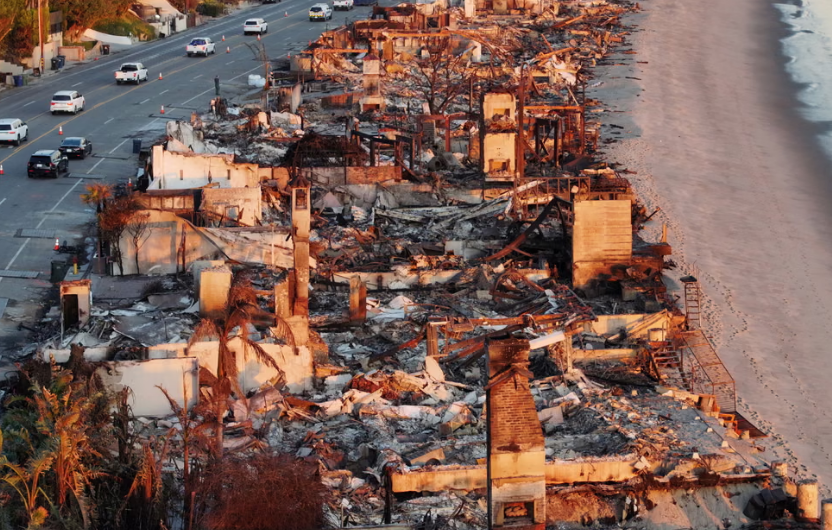
Could a fire like the Pacific Palisades disaster happen in Lakewood? That fire burned over 6,000 structures and there were over 12 fatalities.
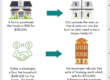
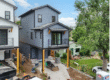
Lakewood is legalizing the placement of some housing structures closer together than under previous zoning restrictions. This is called ‘densification’ because it results in more people living closer together. High-density communities have a higher fire risk. If even a single structure ignites, the entire community could be lost due to structure-to-structure fire spread according to: https://www.nist.gov/el/fire-research-division-73300/wildland-urban-interface-fire-73305/hazard-mitigation-methodology-19
Examples include Pacific Palisades, Marshall Fire near Boulder, CO, Black Forest Fire in Colorado, Paradise Fire in California and others.
Here are some concerns and similarities of Pacific Palisades to Lakewood:
– Lakewood also can have very dry conditions from drought.
– Lakewood also can have high winds sometimes for extended periods of times.
– Lakewood area also has criminals who have been arrested for setting fires.
– West Metro’s 2023 Compliance Report p.8 showed a 17 minute response time in 2022 which did not achieve their goal. Their goal was to respond several minutes sooner.
– Blanket rezoning of the city adopted by city council in 2025 to ‘densify’ housing will reduce the space between some homes. That will increase the risk of rapid fire spread as with Pacific Palisades.
Questions-
- Will Lakewood wait to implement the citywide blanket rezoning until the fire department can consistently achieve their response time goals?
- Or will Lakewood throw caution to the wind and allow housing densification to happen without requiring improved fire protection potentially endangering all of us who live or work in Lakewood?
- Will Lakewood obtain and publish assurances from major insurance companies that ‘density’ will not result in higher premiums due to the fire risk of closely placed structures?
- Or, are Lakewood residents OK with higher insurance premiums as a possible side-effect of zoning changes made by city council to accomplish ‘densification’?
The average insurance premium in Colorado is $4,072 for $300,000 of coverage. Densification could boost pemiums even higher in Lakewood. https://csuredi.org/redi_reports/homeowners-insurance-trends-in-colorado-implications-of-natural-hazard-dynamics/ 4) Will Lakewood guarantee water delivery has been tested and that engineering concerns of some water district providers have been resolved? Even when there’s not a shortage of water in nearby reservoirs, a sudden surge in demand for water can overwhelm municipal water systems and lead to a drop in water pressure, causing fire hydrants to run dry. The Los Angeles wildfires in January offered a painful illustration of this lesson. https://www.colorado.edu/today/2025/06/03/what-makes-some-homes-neighborhoods-more-likely-survive-wildfire-new-research-offers
This post is not saying densification should not happen. But city hall’s current mad rush to densification should be put on pause until the obvious fire safety and insurance cost concerns are remediated. The ‘densification’ zoning changes are being made supposedly to promote housing affordability. For housing to be affordable, people have to be able to afford insurance. If you cannot afford the insurance as part of overall home ownership expenses, you will not be able to get or retain a mortgage loan. If you can’t get a mortgage loan, you then can’t buy the home and then the whole point of rezoning all of Lakewood to accomplish ‘densification’ collapses.
That is why the insurance cost issues and fire risks have to be addressed before going forward with ‘densification’.