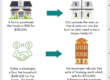
Is Lakewood, Colorado trading recreation center subsidies for homelessness? The question should be asked whether Lakewood is trading homelessness and housing affordability to subsidize rec centers. Keep in mind Lakewood rec centers can cost more than for-profit centers like VASA Fitness depending on the membership level. Plus Lakewood subsidizes the rec centers to the tune of several million dollars per year that tax payers fund regardless of whether they ever visit a rec center. Lakewood rec centers adult cost per month: $32 VASA Fitness adult per month: $20 – or just $10 for one location only. Chuze also starts at $9/month. The argument for asking this question is that it makes more sense for Lakewood tax payers to help unhoused persons who have jobs get into housing vs giving other Lakewood residents discounts on swimming and recreational activities. Lakewood’s rec centers are estimated to lose in excess of $3 million dollars per year that are not covered by user fees. Lakewood has over $42 million in future repairs and maintenance over the next 5 plus 20 years identified by consulting firm Bureau Veritas as reported in Appendix G of the Imagine Tomorrow Master Plan. Plus operational costs and various indirect costs. The maintenance expenses cited above represent a whopping 47% of the actual full replacement cost of the five major rec centers! It gets worse! Lakewood taxpayers have to pony up millions every year to subsidize these money pit rec centers and they don’t even have to pay property taxes! So why do they lose soooo much money? Where is all that money going? As a result of the massive cost overruns and ongoing repairs and maintenance, Lakewood has proposed exploring the closure of rec centers as part of the Imagine Tomorrow Master Plan but has no clear timeline for making decisions on which rec centers might be closed or when. Rec centers are heavily subsidized and well over 50% of operational and maintenance costs are funded by taxpayers instead of users. Considering rec centers lose millions per year, if cost recovery were simply increased to 100% from user fees, rec centers would then be properly funded and the funds now used to subsidize rec centers could be used to assist employed persons who do not have housing. City rec centers are a hold over from the playground movement of the 1800’s. By 1906, 26 US cities had public playgrounds. That movement morphed into the physical education movement in the US. This then morphed into school buildings being used as rec centers at night in some cities. At some point, cities funded dedicated rec centers. https://socialwelfare.library.vcu.edu/youth/recreation-movement-in-the-united-states/ What changed is that we now have a for-profit rec center industry in the US funded by the private sector. Examples: VASA and CHUZE fund their rec centers from user fees, why can’t Lakewood? Next point – Instead of subsidizing rec centers, why not loan the money to working persons who cannot afford the last months rent plus damage deposit to rent an apartment. That would help get them off the street. That way, the money could also be paid back AND rec centers would be properly funded via user fees. A common dilemma cited that contributes to homelessness is that landlords typically require two months rent plus a damage deposit of any prospective tenant. That amount of upfront cash exceeds the savings of many persons who have jobs and monthly income. So that scenario can force people who lose their housing onto the street. Even though they have income, some cannot afford to pay for the upfront costs of a new lease somewhere else. Suggestion: Loan $5,000 to unhoused persons who are employed but cannot afford the first and last month’s rent plus deposit to lease an apartment. That loan money would cover most or all of the last month’s rent plus deposit. The unhoused person would need to pay the first month’s rent in order to obtain a lease. Considering rec centers lose at least $3 million per year, transferring that $3 million to assist employed unhoused persons could help transition up to 600 persons per year into rental housing. (The calculation is simply $3,000,000/$5,000.) Lakewood’s point-in-time count of unhoused persons found 329 individuals on January 22, 2024. (https://www.denvergazette.com/2025/06/08/lakewood-residents-vexed-over-countys-rising-homelessness-b0bda036-03d2-447f-abfc-38de3dd4a92c/) In other words, the current taxpayer subsidy of rec centers would more than pay to assist all unhoused persons in Lakewood who have jobs to get back into housing. So Lakewood is in an excellent position to potentially assist many unhoused persons by simply requiring rec center users to pay the actual ‘fully burdened’ cost of using rec centers and transfer the subsidy paid by tax payers to assist unhoused residents in the city. Lakewood says they support homeless residents? City council members have preached that at public meetings. Do they really? 1) Should Lakewood stop subsidizing rec centers and fund them 100% via admission fees? 2) Should Lakewood use the taxpayer savings to help get unhoused working people into rental units? (FYI – The man in the photo is Timothy Harris who was interviewed by the Denver Gazette in the article linked above.)